


Urban Meyer & Nick Saban's Impact on College Football
Segment Spotlight: Quick Hits From The Bobby Carpenter Show
Insights on NIL, Transfer Portal, and Future Challenges in College Sports
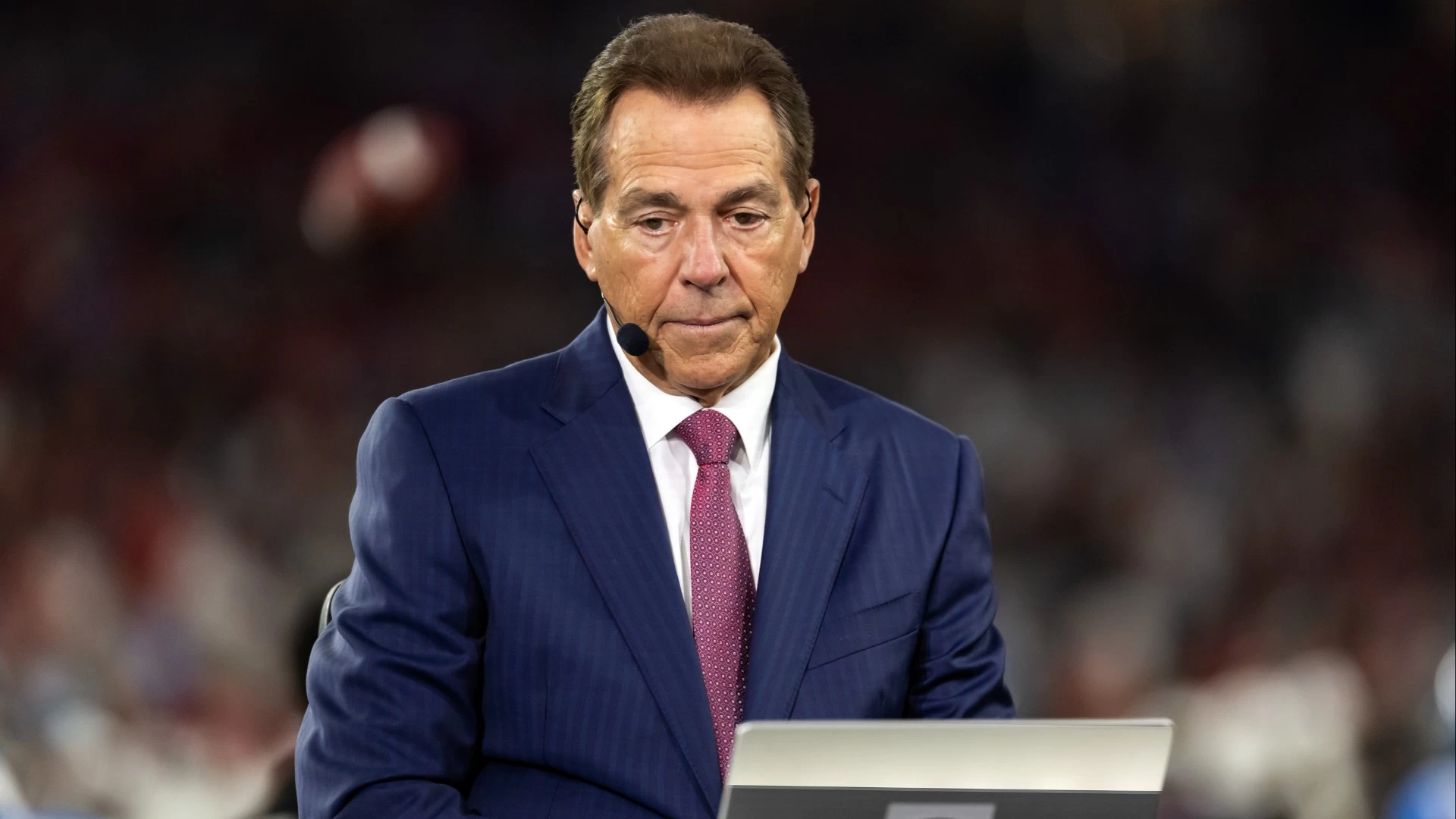
Urban Meyer and Nick Saban are two of the most influential voices in college football, known for their significant contributions to the sport and insightful commentary. Meyer recently criticized the way that Name, Image, and Likeness (NIL) agreements have evolved, stating that what was originally intended as a simple compensation mechanism for student endorsements has morphed into a "pay to play" system. He pointed out that student athletes are now leveraging NIL not just for endorsements but as a direct revenue stream, which was not the initial aim of the legislation.
On the topic of the transfer portal, Nick Saban discussed how it works in conjunction with NIL. He highlighted that both these regulations have led to inducements that may affect the original spirit of college sports. Despite their criticisms, both coaches are respected for their profound understanding and success in the sport. Even eight years after his departure from Ohio State, Meyer's views on college football are closely regarded, pointing to his lasting influence.
The conversation also touched on the challenges and potential changes facing college sports. There was an emphasis on the possibility of political intervention that could address the current state of college football. Participants discussed the need for the Power Five conferences to harmonize their efforts for the sport's betterment, despite the natural tendency for conferences to prioritize self-interest. The idea of a unified college football commissioner was considered, though realistically challenging to implement.
Another significant concern raised was the impact of gambling on college sports. Recent scandals in college basketball were mentioned as a warning, highlighting the potential risks as gambling becomes more intertwined with college sports. The integrity of the game remains a top priority, with strict penalties considered essential to maintaining it.
Lastly, the evolving demands on college athletes were discussed, particularly the extended calendar that makes college sports akin to professional-level commitments. This continuous year-round schedule places substantial demands on student-athletes, pointing to the increasing professionalism within college sports frameworks.



BETTING NEWS
FUTURES

