


Urban Meyer Reflects on His Regrets Leaving Florida
Segment Spotlight: Quick Hits From The Bobby Carpenter Show
Urban Meyer Discusses Regrets and Legacy Post-Florida
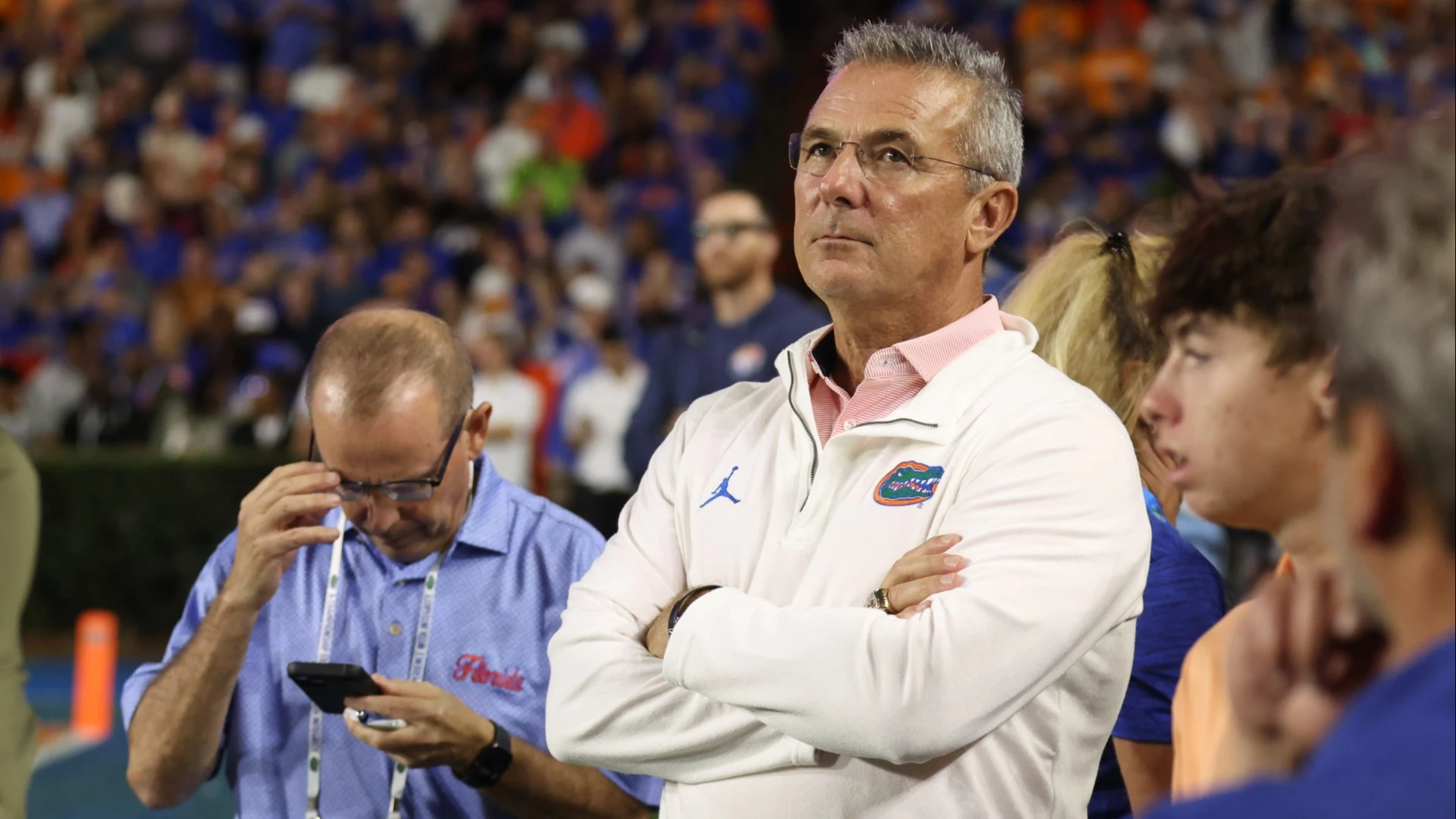
In a recent interview with High Top Sports, Urban Meyer expressed that one of his few coaching career regrets was leaving Florida. Despite this personal lament, the move opened up significant opportunities, contributing positively to his coaching legacy.
Meyer’s tenure at Florida was marked by extreme success, yet his final years were fraught with turmoil. He initially announced his retirement only to return for one more season. Following a brief hiatus working in a studio, Meyer's career took a notable turn when he was hired by Ohio State. This move allowed Meyer to eventually claim three national championships across two different schools, enhancing his reputation in the world of college football.
Moreover, Meyer's notable winning percentage places him among the ranks of legendary college football coaches like Frank Leahy and Newt Rockney. His stints at Bowling Green and Utah further solidify his stellar coaching credentials. Despite hints of possible future coaching roles, Meyer’s achievements at Florida and Ohio State appear to secure his legacy firmly within the sport. His journey highlights how taking risks and embracing new challenges can amplify a person’s achievements and impact.
Ultimately, the consensus from this discussion is clear: leaving Florida was not detrimental in hindsight. Meyer's subsequent successes argue against viewing the move as a mistake, instead suggesting it was a strategic step that significantly benefited his career trajectory.



BETTING NEWS
FUTURES

