


Baker Mayfield Rejects Contract, Tampa Bay's Dilemma

George Kurtz
Host · Writer
Segment Spotlight: Quick Hits From Outspoken With Dan Sileo
Baker Mayfield's Contract Negotiations and Strategies for Developing Rookie Quarterbacks
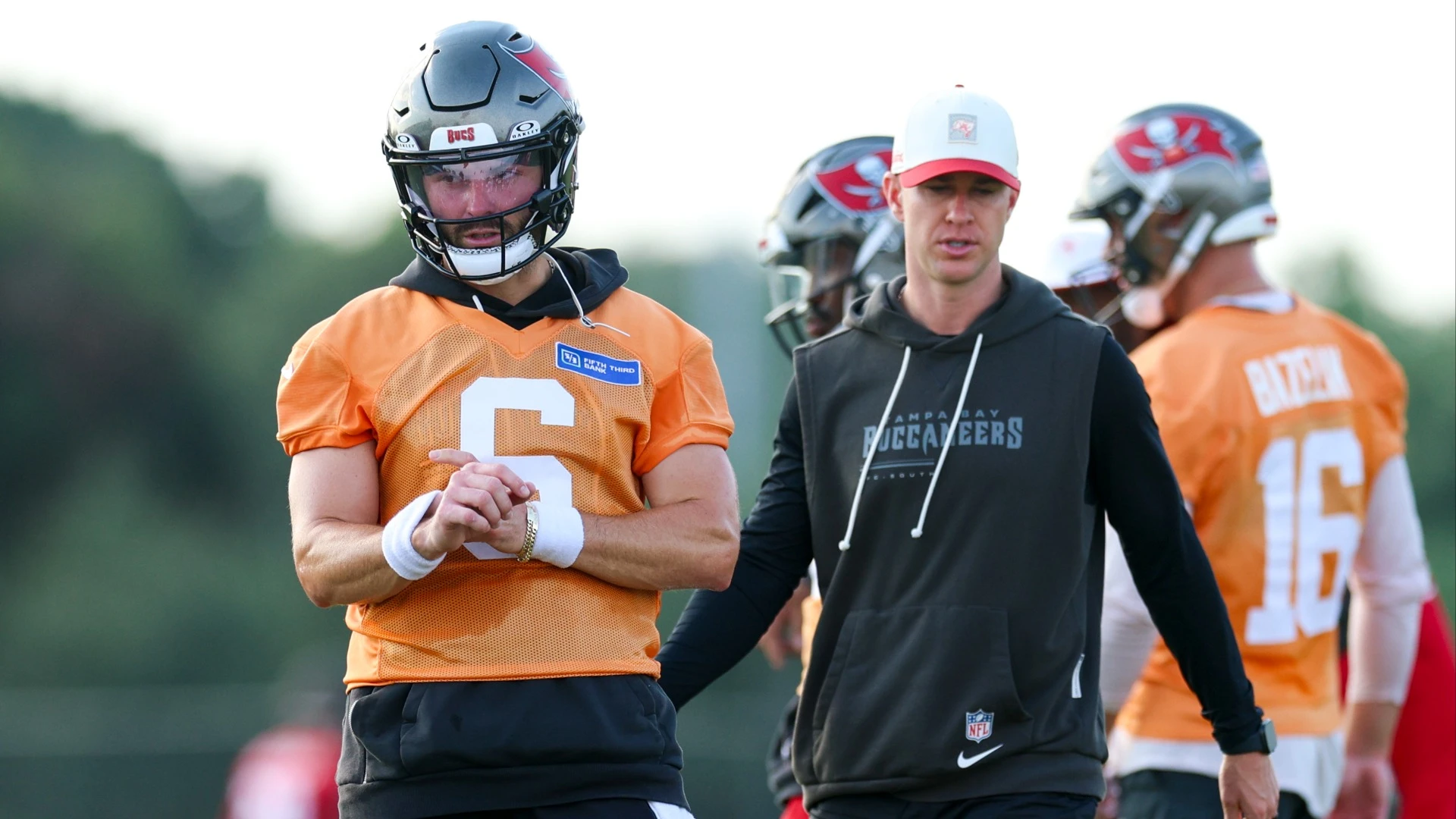
In the latest discussion on Tampa Bay's dealings on 'Outspoken with Dan Sileo,' Baker Mayfield's response to his two-year contract extension offer was a significant topic. Mayfield, known for betting on himself in the past, rejected the offer, expressing dissatisfaction through his agent. Despite earning a substantial $27 million, Mayfield feels the contract does not reflect his value, particularly in the context of NFL quarterback salaries. With the Tampa Bay Buccaneers already facing the departure of key players like Mike Evans and dealing with discontent from Vita Vea, their public relations are struggling, complicating their team management choices.
As for Mayfield's future with the Buccaneers, Tampa Bay might choose to franchise tag him over the next two seasons, potentially leading to payments totaling around $130 million over three years. This scenario illustrates the rising costs NFL teams face when delaying long-term contract decisions, a point emphasized with what Sileo describes as the "Jerry Jones tax." This term reflects on scenarios where prolonged negotiations lead to increased expenses.
Moving over to the Las Vegas Raiders, Sileo shifted the conversation to rookie player developments, specifically involving Fernando Mendoza under coaches Clint Kubiak and, newly acquired, Kirk Cousins. With the Raiders' roster not appearing strong, there's a strategy decision to be made regarding when to get rookies like Mendoza into gameplay. Sileo advocates for immediate exposure if a rookie seems ready, to expedite their development and avoid prolonged "rookie Blues." He argues that if Mendoza is ready by week 1, he should start week 1, despite a challenging schedule, reflecting a broader philosophy that prioritizes long-term gains over short-term performances.
This approach not only sets the foundation for future years but also allows the Raiders to understand what they have in their players, preparing them better for subsequent seasons. Sileo's insights into NFL team strategies, through high-stakes contracts to rookie development, underscore the complexities and crucial decisions teams face in their pursuit of building competitive and financially stable rosters.




BETTING NEWS
FUTURES

