










The Gambling Debate: Does It Change Sports Fandom Forever?
Segment Spotlight: Quick Hits From The Craig Carton Show
Sports Gambling: A Double-Edged Sword for Fans and Leagues
Eight years ago today, the Supreme Court of the United States, commonly abbreviated as SCOTUS, ruled that the legality of sports gambling would be determined by individual states. This decision, according to a segment on "The Craig Carton Show", has had significant implications for sports, fandom, and the way leagues operate. While some argue it’s a net positive, others believe it’s had a detrimental effect, particularly on traditional sports fandom.
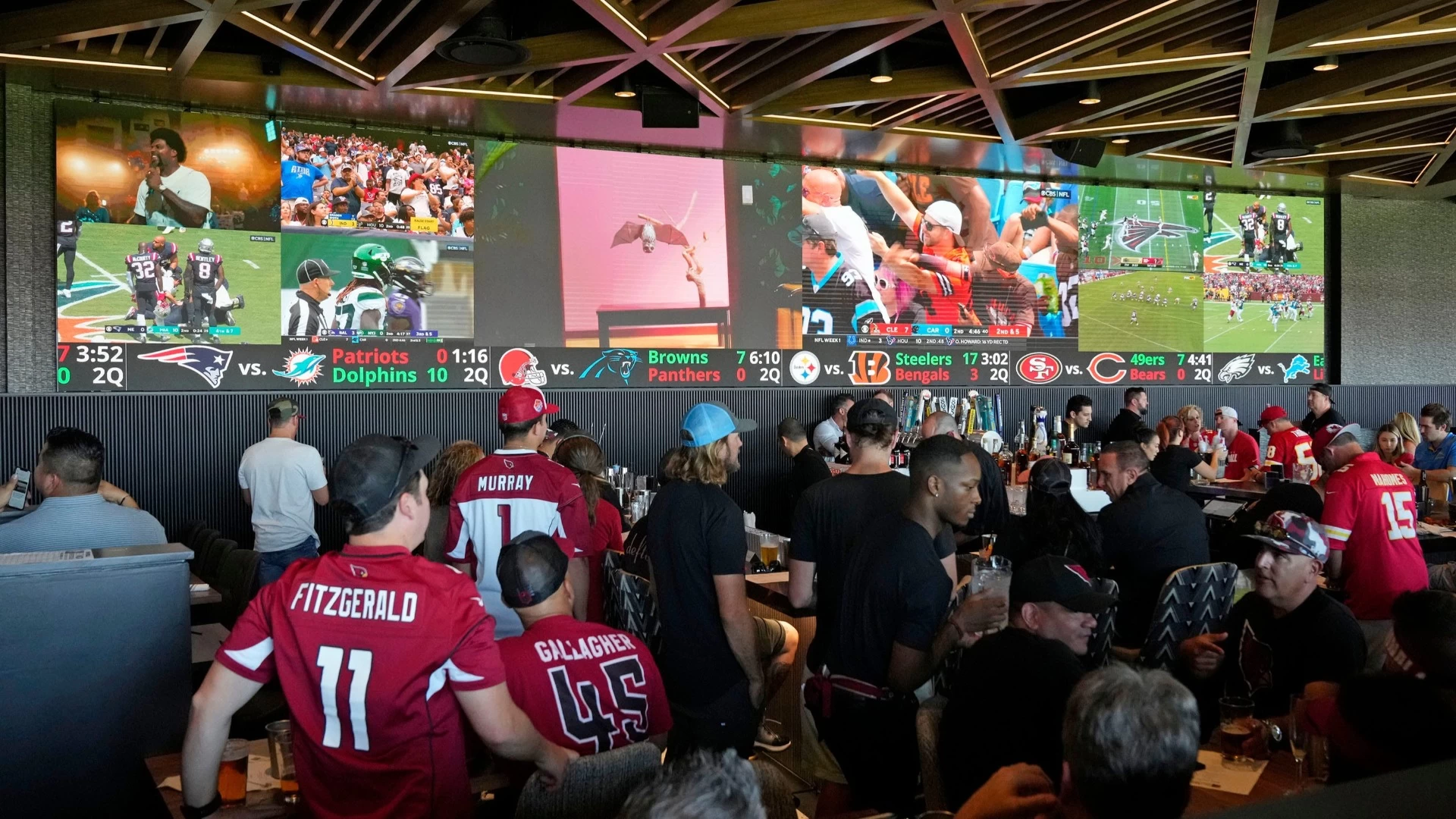
The concern highlighted during the segment is the shift in fan behavior due to the widespread acceptance of sports betting. Traditionally, sports fans are known for their fierce loyalty to local teams. However, with the advent of sports gambling, this dynamic is changing. Fans now find themselves rooting for individual players or specific outcomes based on their bets rather than mere team allegiance. This alteration in fandom, driven by financial interests, might be eroding the intrinsic civic pride associated with sports teams.
Moreover, the effects of sports gambling seem to have two sides. From the perspective of sports leagues, the integration of betting has encouraged higher viewer engagement. Leagues have witnessed a rise in viewership as fans who bet on games tend to watch longer and more intensely, hoping to track the outcomes of their wagers. High-level discussions with figures such as Adam Silver and Gary Bettman have confirmed this trend. In-game or live wagering—which involves betting on immediate outcomes like the next play or pitch—has significantly boosted ratings, according to league representatives.
Despite these advantages, the potential negative impacts on fans are concerning. Approximately 2% of gamblers may develop gambling problems, creating personal turmoil and wider social issues. Moreover, although leagues profit from increased viewership and the resulting surge in ad revenues, there's an underlying fear about the future scandals that might arise from betting-related corruption. This could pose a threat to the integrity of sports in the long run.
In individual cases discussed on the show, such as NBA and MLB games, betting on outcomes like player performance can keep fans glued to the screens even during non-competitive matches. Yet, there is a cautious tone about younger generations growing up with a proclivity for gambling over genuine team support, potentially transforming the culture of sports fandom profoundly.
Ultimately, while the legalization of sports betting has undoubtedly altered how fans engage with sports, the debate continues regarding whether these changes enrich the sports experience or undermine long-standing cultural and communal bonds among fans. Each point raised presents a compelling facet of the ongoing conversation about the role and impact of sports betting in shaping modern sports culture.

























BETTING NEWS
FUTURES

