


Kirk Ferentz Vacates Wins: College Football's Punishment System
Segment Spotlight: Quick Hits From The Bobby Carpenter Show
Addressing Game Vacations and the Need for Stronger Punishments in College Football
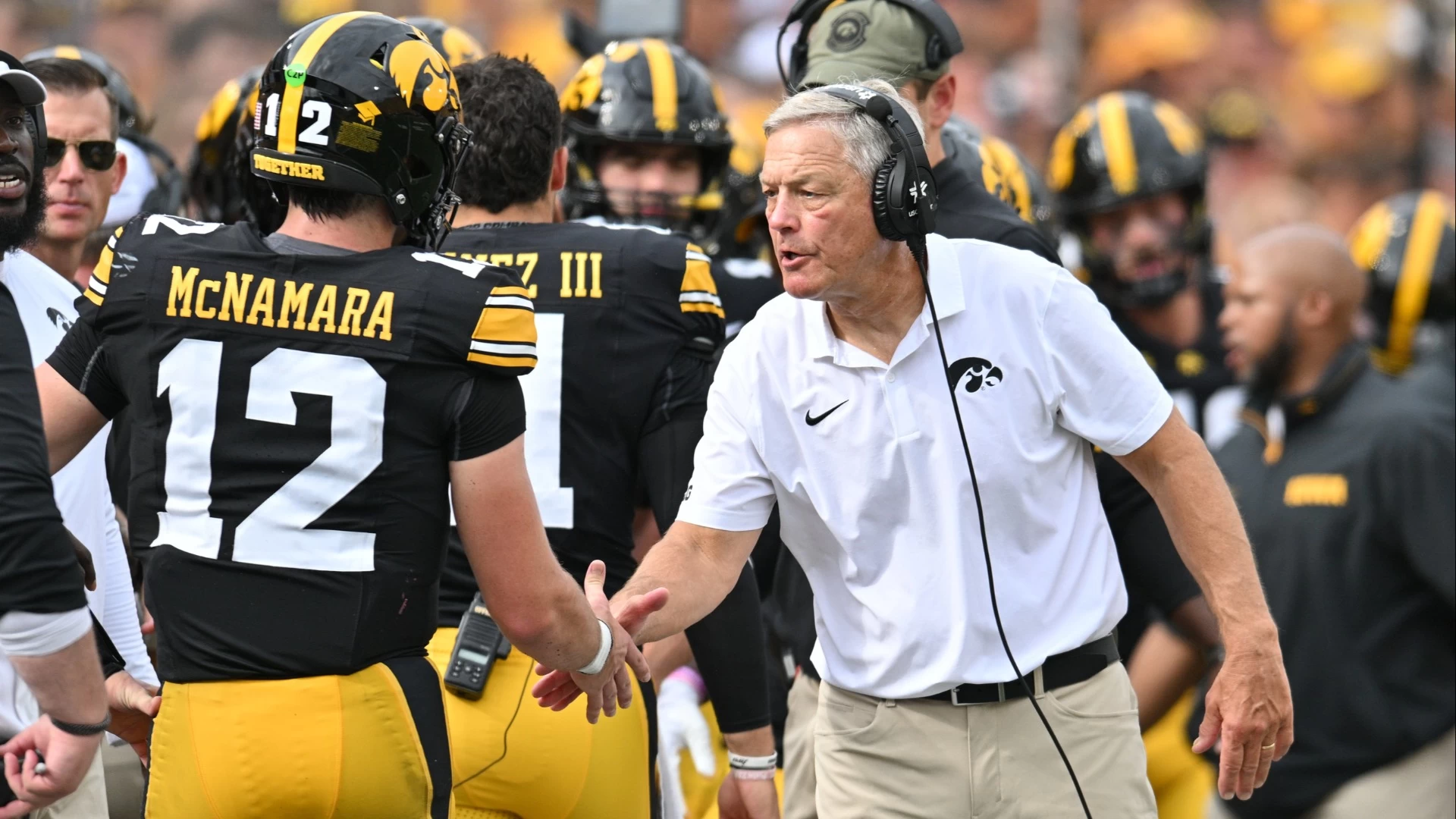
In a recent segment with Bobby Carpenter, the conversation focused on the repercussions of recent actions by Kirk Ference, including the controversial decision to vacate four wins from the Iowa Hawkeyes due to issues involving Cade McNamara. McNamara, who had a notable journey from Michigan to Iowa and then to East Tennessee State, became a focal point in discussing the ineffectiveness of current punitive measures in college sports.
Carpenter highlighted how Iowa's pass offense has consistently underperformed, making any achievements by McNamara less impactful compared to potential disciplinary actions that could be imposed on coaches and institutions. Discussing the broader scope of penalties in college football, including financial punishments and coaching suspensions, Carpenter advocated for a shift toward practices more akin to those of the NFL, where tampering penalties are swiftly enforced.
Moreover, the conversation delved into the inadequacy of vacating wins as a deterrent. Carpenter reasoned that financial penalties and direct consequences for coaches might be more effective. This includes limiting a coach's ability to participate in games and practices, which could serve as a significant deterrent compared to merely adjusting historical records, which often lacks a tangible impact.
The segment concluded with a discussion on potential changes to player eligibility rules in college sports. Carpenter supported ideas aimed at constraining the eligibility period to five years to streamline athletes' careers in college sports, ensuring that players fulfill their athletic and academic duties within a reasonable timeframe. Additionally, there was talk of an exemption for individuals with military obligations, reflecting a nuanced approach to eligibility that considers the diverse backgrounds of college athletes.
These discussions underscore the evolving landscape of college sports, where the effectiveness of punishments and the structure of player eligibility are increasingly scrutinized to ensure fairness and integrity in collegiate athletics.




BETTING NEWS
FUTURES

