










Ohio State Game Analysis: Slow Start and In-Game Adjustments
Segment Spotlight: Quick Hits From The Bobby Carpenter Show
Ohio State vs. Miami Game Analysis
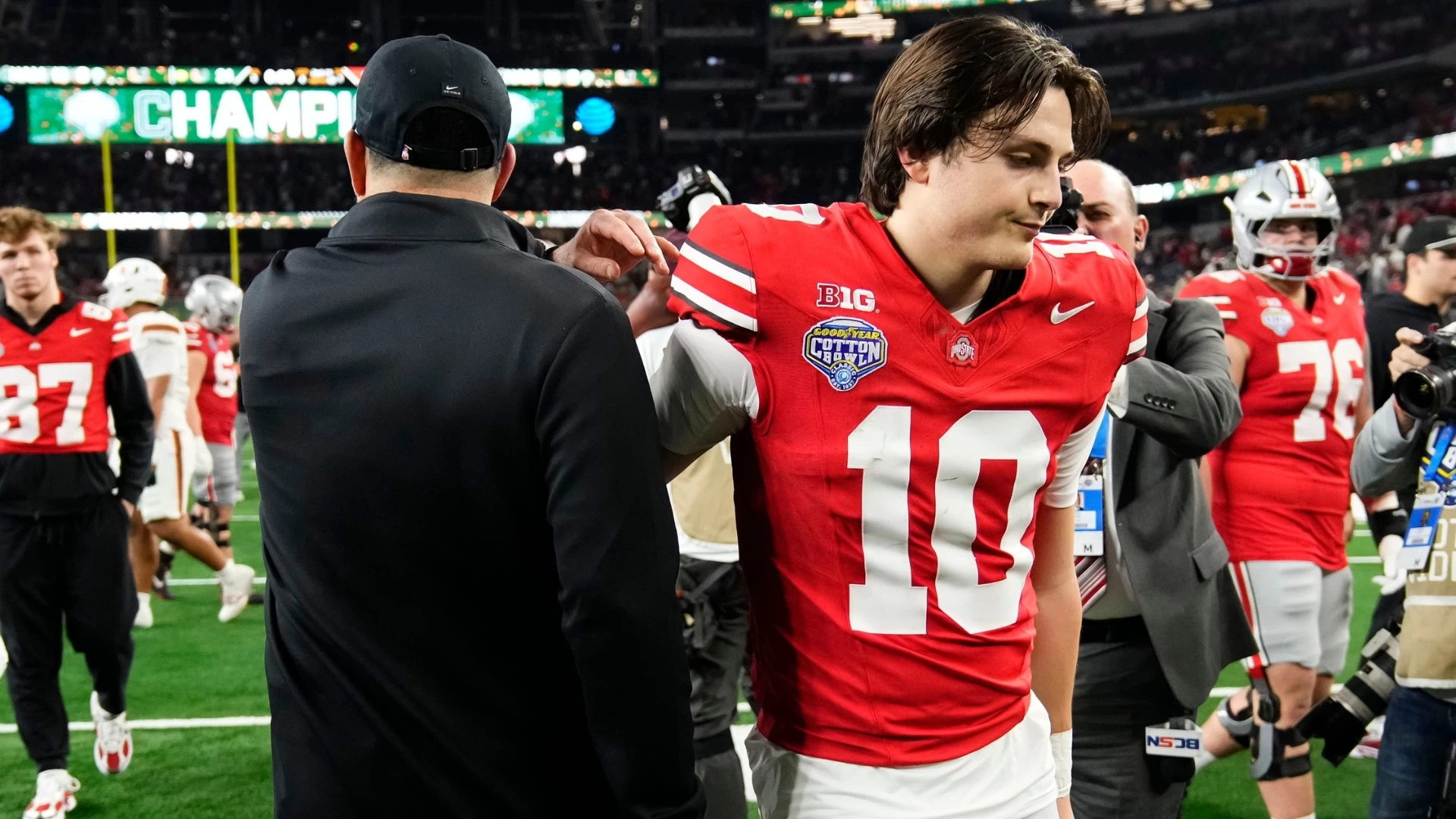
Ohio State faced several challenges during their recent game against Miami, primarily struggling to implement a fast start and a high-tempo gameplay, which were crucial for success. Despite a couple of good drives where the team managed to exhaust Miami's defense, these strategies were absent at the beginning of the game. Miami's defensive line performed exceptionally well, posing significant challenges for Ohio State's offense, particularly affecting quarterback Julian's ability to execute effective plays.
Throughout the game, Ohio State made several adjustments. Notably, the offensive line shifted strategies in the second half, moving to a gap-right scheme that aligned more with the team's strengths. However, issues persisted with Julian holding onto the ball too long and the offensive line's inability to counter repetitive moves from Miami's defense. These problems limited Ohio State's offensive effectiveness, with Julian struggling to utilize available passing opportunities and to step up in the pocket.
On the defensive side, Max Clair was anticipated to have a significant impact on the game. Despite his effective blocking, his performance didn't translate into big statistics, though he did play a role in the successful use of 12 personnel later in the game. The defense managed to regain some momentum after early setbacks, including recovering from a two-touchdown deficit and a notable fumble recovery by Peyton Pierce, which could have shifted the momentum. Unfortunately, the team couldn't capitalize on these opportunities.
The game concluded with Miami effectively managing the clock and maintaining possession, which ultimately sealed the game. Ohio State's inability to execute critical plays when opportunities presented themselves was a prominent issue throughout the game. This highlights areas for improvement, particularly in terms of gameplay execution and adapting to dynamic in-game scenarios.







BETTING NEWS
FUTURES

