

















NCAA Grapples with Sports Betting and Prediction Markets

Craig Mish
Host · Writer
Segment Spotlight: Quick Hits From NewsWire
NCAA's Stance on Sports Betting and Prediction Markets
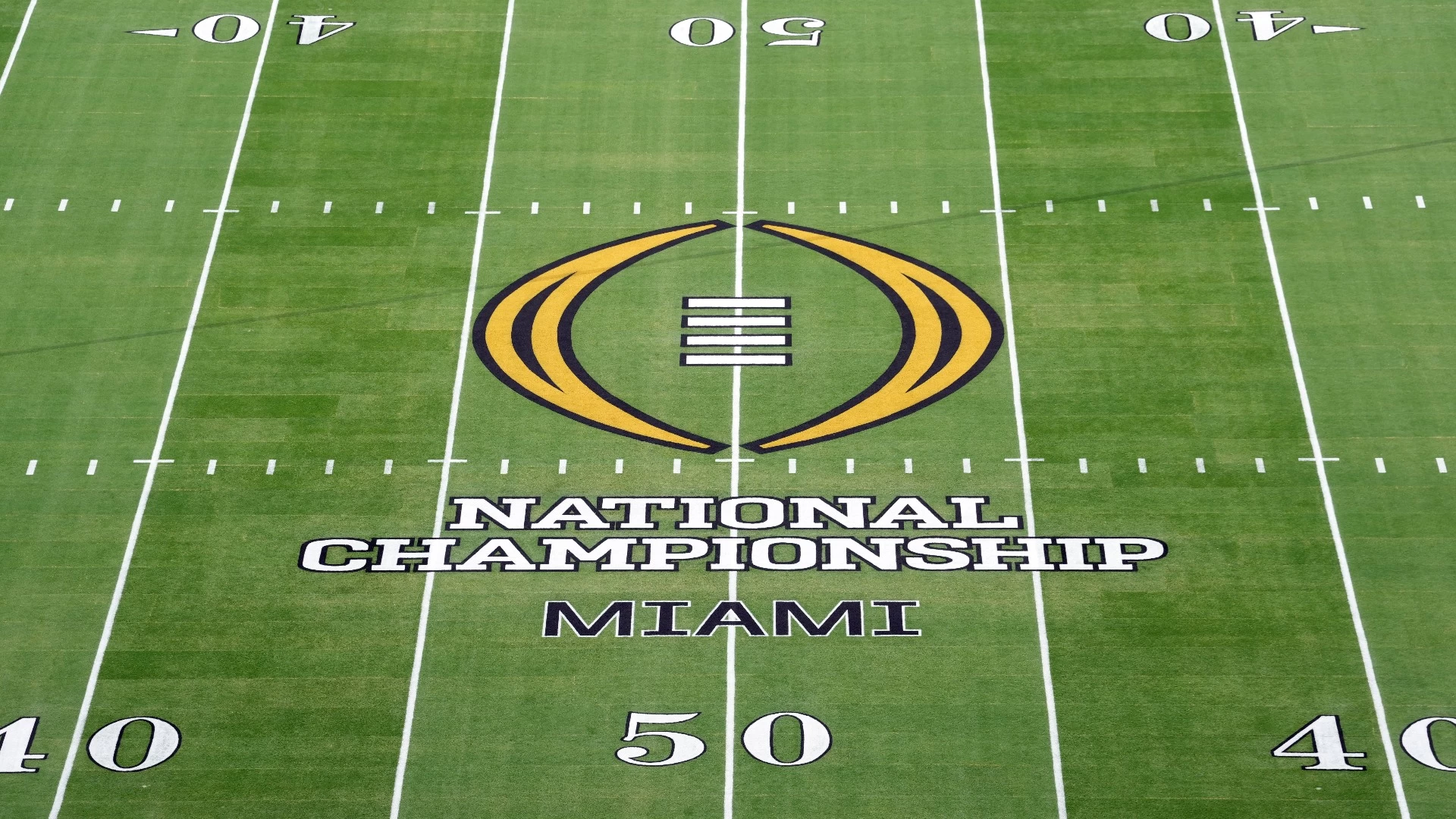
As the college football season concludes amid typical controversies, the relationship between the NCAA and the evolving landscape of sports betting, particularly prediction markets, remains contentious. Despite sports betting being legal across numerous states, the NCAA has been notably hesitant to embrace these platforms.
The historical stance of the NCAA against sports betting highlights its apprehension. Originating from its involvement as a litigant in the fall of the federal ban, attempting to prevent New Jersey from legalizing sports betting, the NCAA's concerns have persisted. Their resistance stems from a fear of threats to the integrity of college sports, amplified by recent scandals, particularly in college basketball.
According to recent statements from NCAA president Charlie Baker, the association is concerned about the lack of control over prediction markets such as Calcie and Poly market. Baker has reached out to the Commodity Futures Trading Commission (CFTC), pushing for regulatory measures to possibly curtail or oversee these betting platforms more stringently. Despite these efforts, the new head of the CFTC expressed a preference for fewer regulations, diminishing the likelihood of restrictive measures on college sports betting or prediction markets.
The future of betting in college sports remains uncertain, with ongoing discussions about the extent to which prediction markets should be allowed to offer detailed prop bets on events like March Madness. The resolution of these issues might ultimately require judicial intervention, but for now, the prediction markets appear poised to continue operating with considerable freedom.


























BETTING NEWS
FUTURES

